First Time Home Buyer?
First Home Inspection?
What to expect with a Legacy Inspection
Here's everything you need to know about the home inspection process and how Legacy Inspections helps you feel confident every step of the way.
Buying your first home is an exciting milestone! Between finding the perfect property, navigating mortgage approvals, and managing all the paperwork, there's a lot to take in. And somewhere along the way, you'll likely hear the words "home inspection."
If you've never purchased a home before, you might be wondering:
- Can I be at the inspection?
- What exactly happens during a home inspection?
- What does the inspector look at?
- What happens if the inspector finds something wrong?
At Legacy Inspections, we understand that buying your first home can feel overwhelming and quite stressful.
That's why our goal is simple: to make sure you're taken care of from start to finish.
We're here to help you understand the home you're purchasing, answer your questions, and give you the information you need to move forward with confidence.
Step 1: Booking Your Home Inspection

Once you've found a home you're interested in purchasing, your real estate agent may recommend scheduling a home inspection, particularly if your offer includes a home inspection condition.
Booking with Legacy Inspections is straightforward. Our team will help you arrange an inspection time that works with your schedule and the property's availability.
When booking, we'll go over the details of the property, including the square footage, age of home and discuss the inspection services you may need, and answer any questions you have about the process.
Depending on the property, you may also want to consider additional inspection services, such as:
- Septic Inspections: For properties with private septic systems.
- Sewer Scopes: For properties that require a scope to investigate the sewer line
- Well Inspections: For homes with private water systems.
- WETT Inspections: For properties with wood-burning fireplaces or appliances.
- Air Quality Testing: For additional insight into certain indoor air quality concerns.
- Pool & Spa Inspections: For homes with pools or spas.
These services are available at an additional cost and are not included in a standard residential home inspection.
Not sure what your new home needs?
We're happy to walk you through your options!
Step 2: Preparing for Your Inspection
The most common questions we hear from first time home buyers is:
"Do I need to be there for the inspection?"
While attending isn't mandatory, we highly encourage you to be present, particularly toward the end of the inspection for the inspector's walkthrough and debrief of their findings. This also gives you the opportunity to ask any questions you may have about any of the systems in the home that are brought up in the debrief.
This is your opportunity to see the property through the eyes of a professional, ask questions, and gain a better understanding of the home's condition.
You don't need to bring anything special or have any knowledge of home construction. That's what we're here for!
We recommend bringing a few questions you may have about the property, especially if there's something you noticed during your showing that you'd like the inspector to take a closer look at.
Our advice? Don't be afraid to ask questions. There are no silly questions when it comes to understanding one of the biggest investments you'll make.
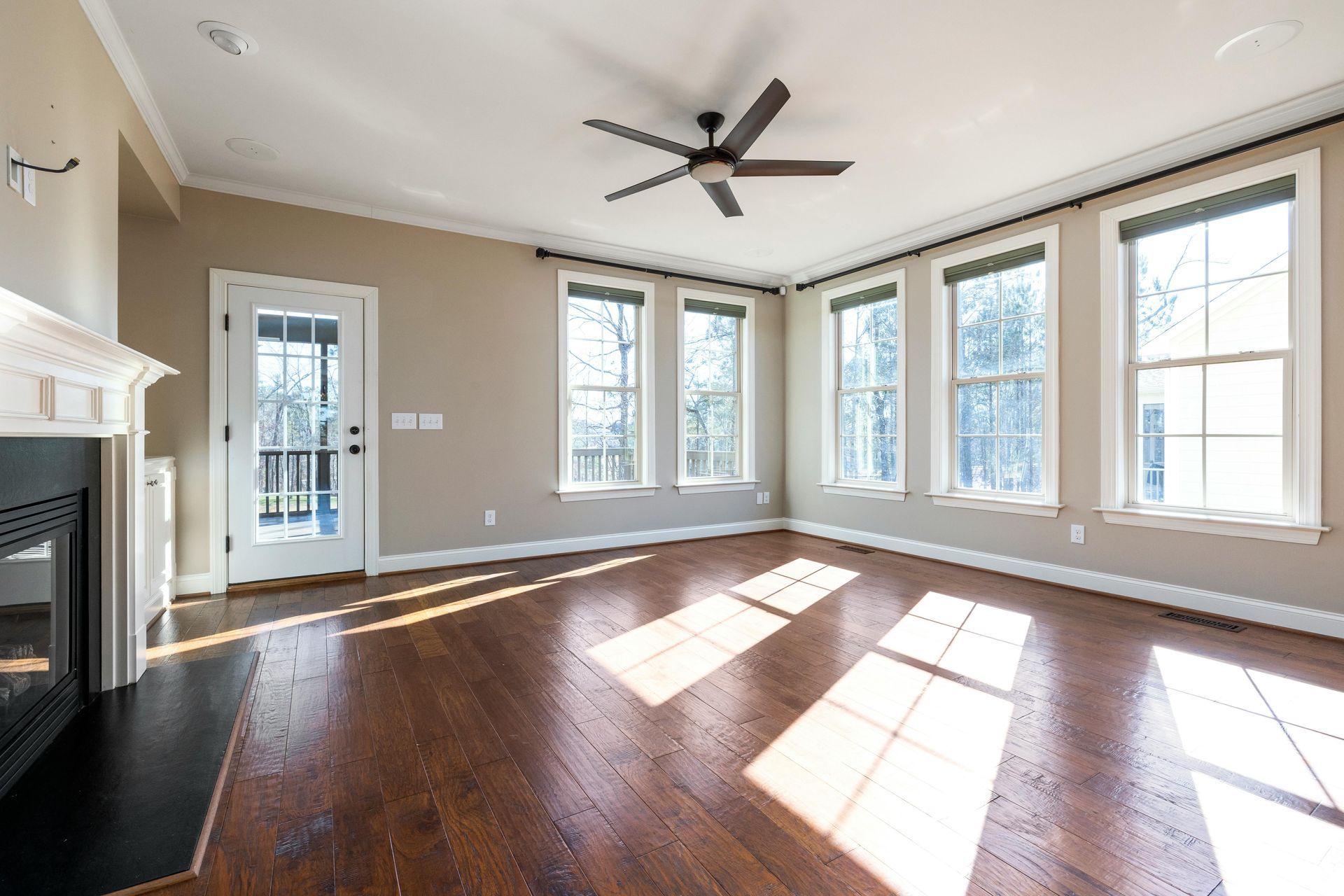
Unable to to make it for the Inspection?
If you are unable to make it for the inspection, that is okay too!
We document our entire process in the report and offer a lifetime customer service guarantee. If you have any questions at all, whether it is about the report, or once you move in, don't hesitate to reach out!
We also offer a time to chat with your inspector after the inspection over the phone to discuss any questions you may have.
Step 3: What Happens During the Home Inspection?
On inspection day, your Legacy inspector will conduct a thorough visual examination of the home's readily accessible systems and components. Think of a home inspection as a comprehensive overview of the property's condition at the time of the inspection.
Roofing
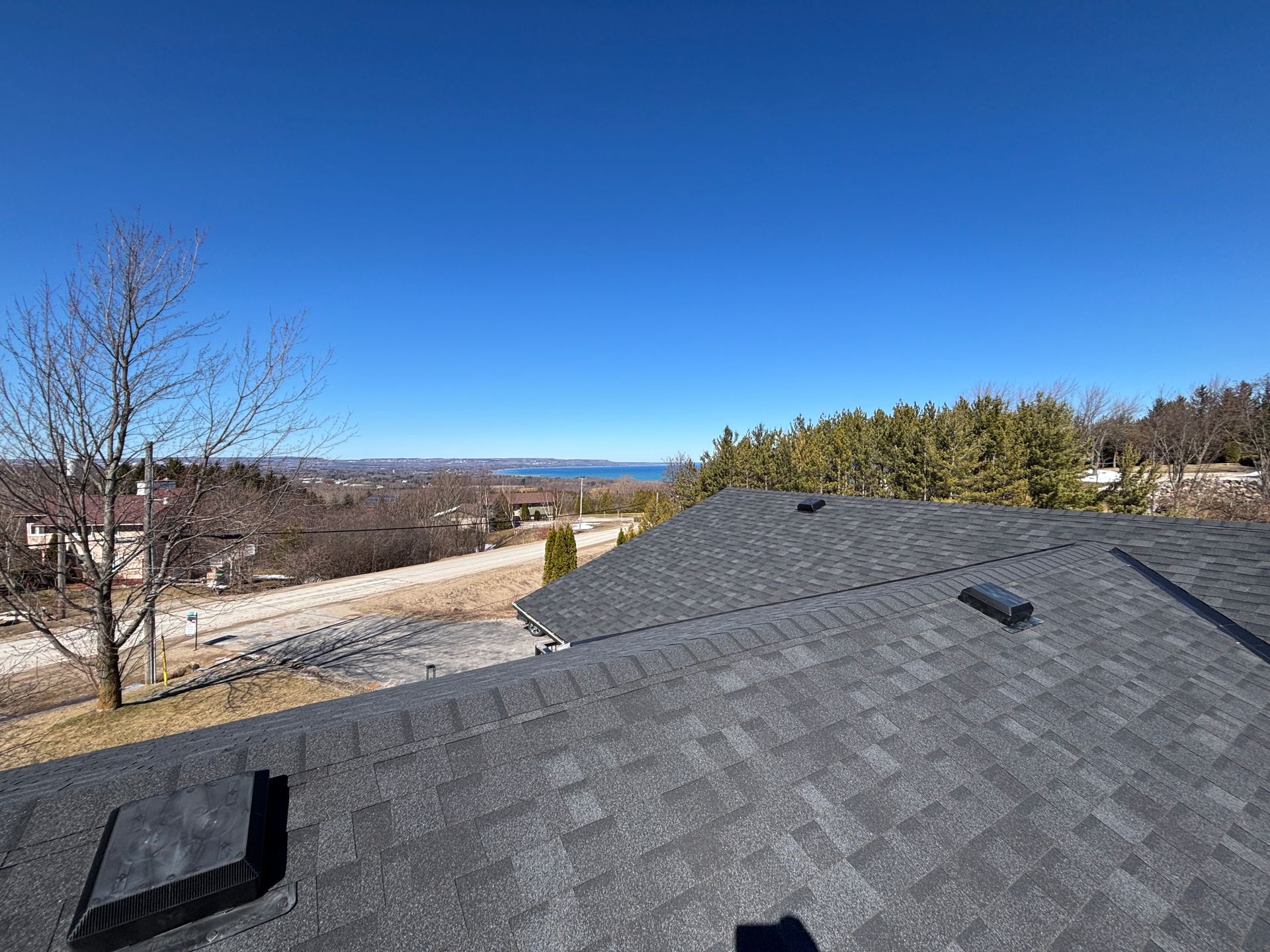
Visible roof coverings, flashing, drainage, and signs of damage or deterioration.
Electrical
Accessible electrical panels, outlets, switches, and visible electrical components.
Exterior
Siding, windows, doors, grading, drainage, decks, and other accessible exterior components.
Heating & Cooling
Accessible heating and cooling equipment and their general operation.
Structure & Foundation
Visible structural components, foundations, and signs of movement or moisture intrusion.
Attic & Insulation
Accessible attic spaces, insulation, ventilation, and visible moisture concerns.
Plumbing
Visible supply and drainage systems, fixtures, and accessible plumbing components.
Interior
Walls, ceilings, floors, doors, windows, stairs, and other interior components.
Throughout the inspection, your inspector will document observations, identify visible deficiencies, and take photographs to support their findings.
It's important to understand that a home inspection is visual and non-invasive.
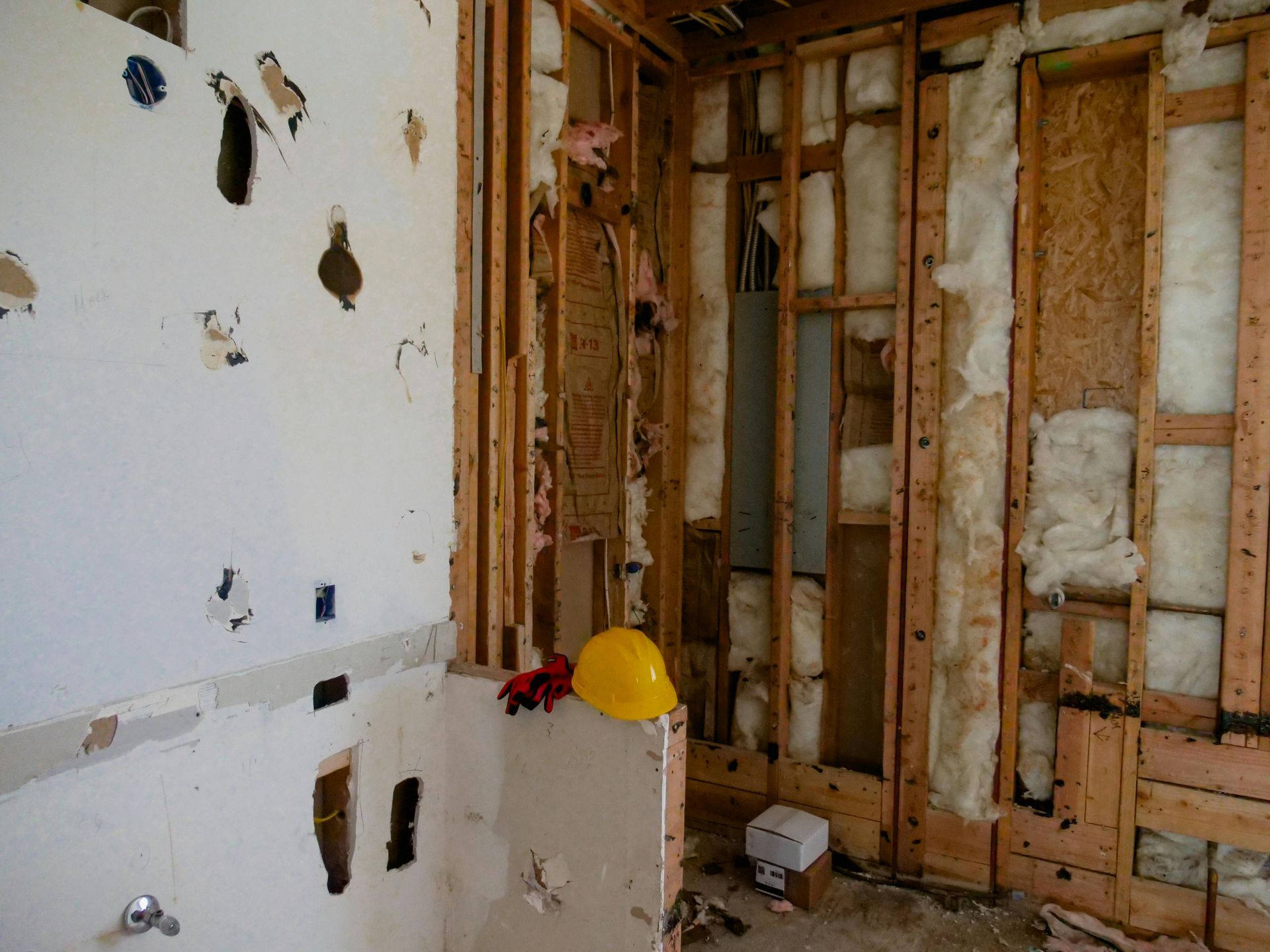
Inspectors don't open walls, move furniture, or dismantle systems to investigate hidden conditions.
A home inspection also isn't a guarantee that every issue will be discovered. Instead, it provides a professional assessment of the home's visible and accessible condition on the day of the inspection.
Step 4: The Walkthrough:
Where Everything Comes Together
This is one of the most valuable parts of the Legacy inspection experience, especially for first-time buyers.
Once your inspector has completed their assessment, they'll take time to walk you through their findings and explain what they've observed.
We understand that not everyone is familiar with terms like grading, GFCI protection, attic ventilation, or foundation settlement.
And we don't expect you to be!
Our inspectors take pride in explaining things in a way that's clear, approachable, and easy to understand.
During your walkthrough, your inspector will discuss important findings, point out areas that may need attention, and help you understand the difference between routine maintenance and potentially more significant concerns.
You'll also have an opportunity to ask questions about the home's systems, general maintenance, and any findings you're unsure about.
Our goal isn't to overwhelm you with information or scare you away from a home. It's to help you understand what you're buying.
Step 5: Receiving Your Detailed Inspection Report

The day after the inspection, you'll receive a comprehensive digital inspection report documenting your inspector's findings.
At Legacy Inspections, we believe your report should be more than a lengthy list of technical observations. It should be a resource you can actually understand and use, like a Manual to your future home!
Your report includes:
- Detailed photographs highlighting observations and deficiencies.
- Organized findings to help you navigate the different areas of the home.
- Clear descriptions explaining identified concerns.
- Recommendations for repairs, maintenance, or further evaluation where appropriate.
- Supporting diagrams and illustrations, where helpful, to explain certain issues.
Findings are organized to help you understand which items may require more immediate attention and which may be related to general maintenance or future planning.
Your report can also serve as a useful reference after you move in, helping you become familiar with your home's systems and prioritize maintenance projects.
And if you have questions after reading it?
We're still here to help.
Step 6: What if the Inspector Finds Problems?
Here's something every first-time home buyer should know:
No home is perfect.
Whether you're purchasing a century home or a relatively new property, it's completely normal for a home inspection to identify items that need attention.
Some findings may be relatively minor, such as a loose handrail, damaged caulking, or a dripping faucet. Others may require repairs, further evaluation by a qualified professional, or additional consideration before proceeding with your purchase.
Finding deficiencies doesn't automatically mean a home is a bad investment.
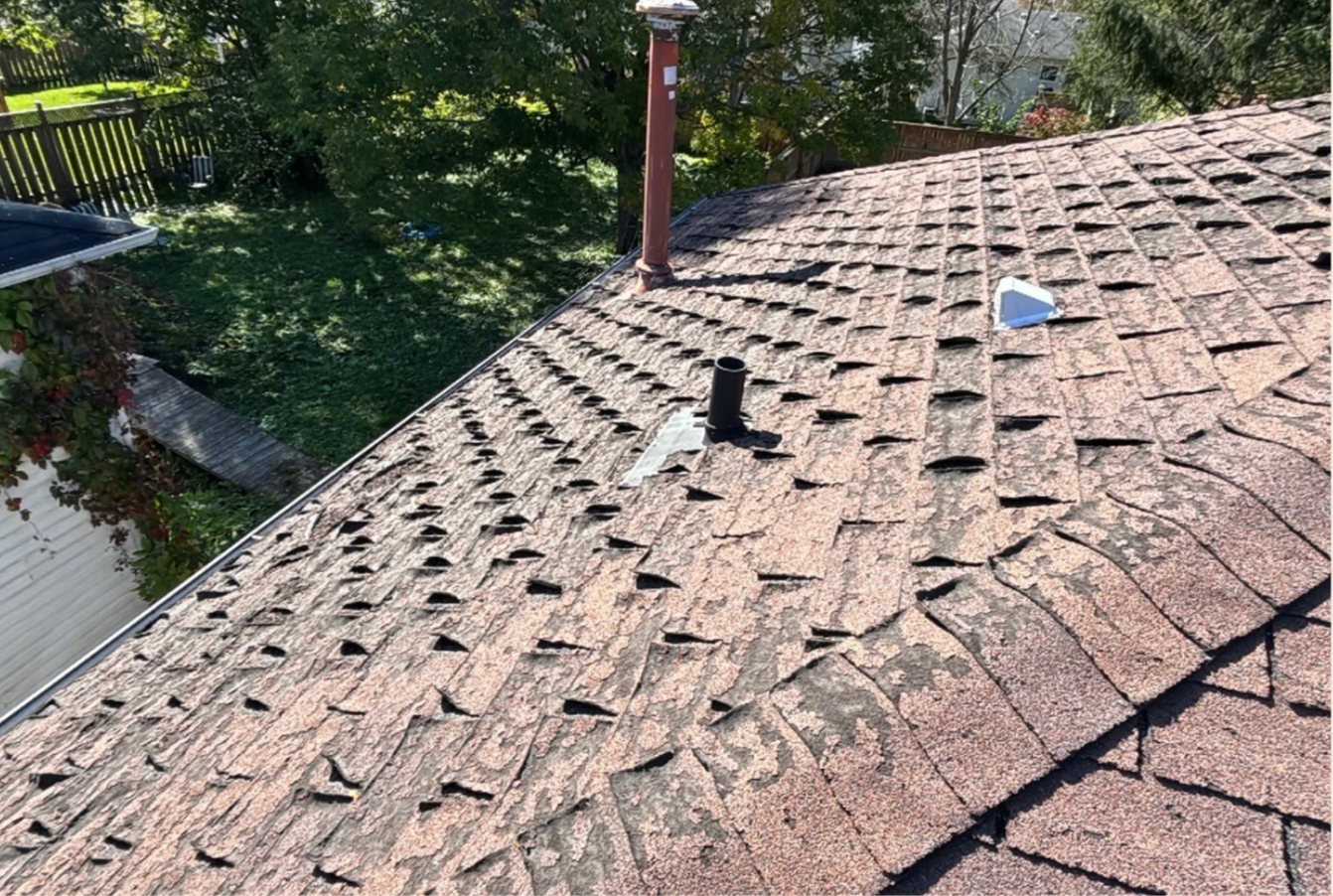
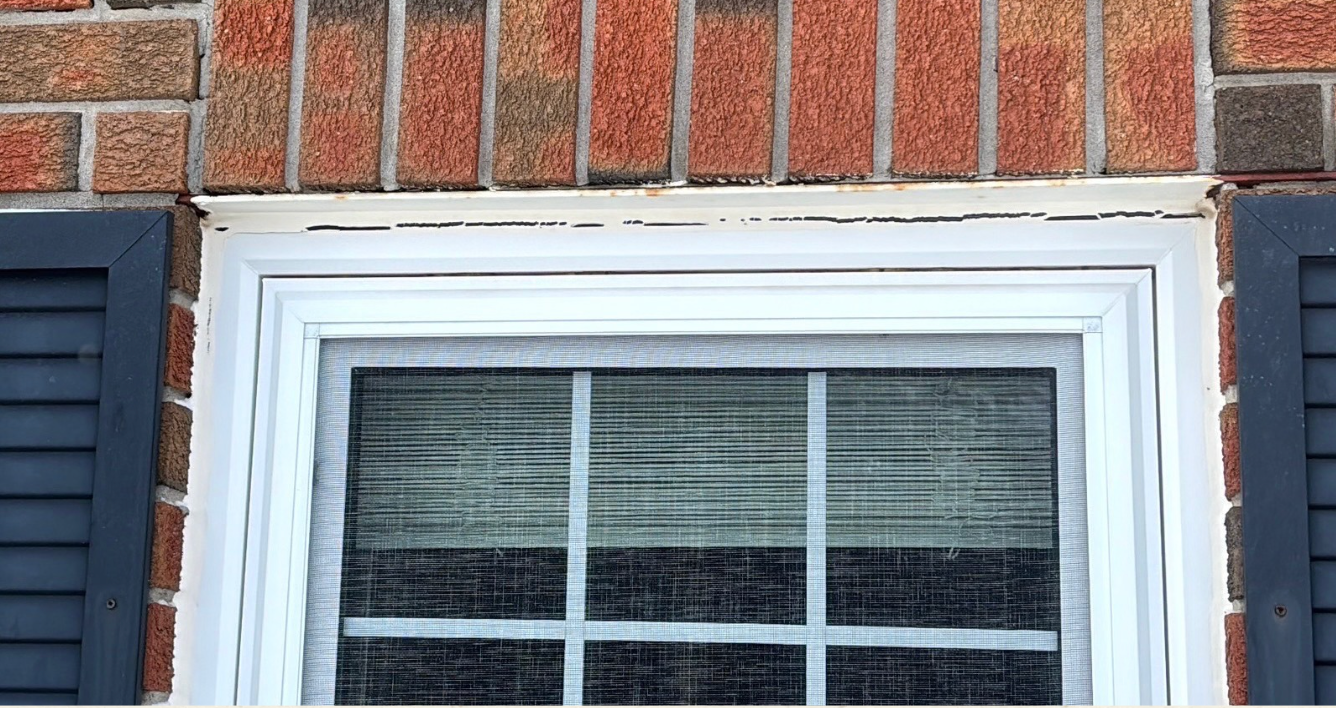
What matters is understanding the nature of those findings, their potential implications, and what may be involved in addressing them.
Your Legacy inspector will explain their observations and provide recommendations where appropriate, helping you better understand the property's condition.
From there, you and your real estate agent can discuss your options and determine the next steps based on your purchase agreement and circumstances.
Remember, the purpose of a home inspection isn't to pass or fail a house. It's to give you valuable information so you can make an informed decision.
Step 7: We're Here Even After the Inspection
Our commitment to our clients doesn't end when we deliver the report.
We know that buying a home comes with a lot of information to process, and sometimes questions don't come up until you've had time to review everything.
Maybe you're wondering which repairs to prioritize, need clarification on something in your report, or want to better understand a maintenance recommendation.
Our team is happy to help answer questions about your inspection findings, even after inspection day.
Because at Legacy Inspections,
we believe great service means being there for our clients throughout the entire experience.

Buying your first home is an exciting milestone, and while the process may seem overwhelming at times, you don't have to navigate it alone. A home inspection is an important part of making an informed decision, giving you a better understanding of the home's condition, identifying potential concerns, and helping you feel more confident moving forward.
At Legacy Inspections, our goal is to make the experience as straightforward and stress free as possible.
From booking your inspection to reviewing your detailed report, we're here to guide you every step of the way,
answer your questions, and help you understand what to expect as a new homeowner.
Because buying your first home should be exciting, not overwhelming!